Making Tech Fun Again: An Interview With Nothing CBO, Charlie Smith
Tech has an image issue. While Big Tech™ can’t decide if it’s utopia or dystopia coming, the general public is… underwhelmed. There are the not-so-insignificant issues of mass surveillance, environmental collapse, and mysterious algorithms making decisions on the most fundamental questions. There’s also the smaller, but equally important for a brand’s bottom line, issue: Consumer tech is boring. It’s a wild time for products we can’t live without but dislike. So, of course, we pulled out the microscope and examined the specimen (read: industry).
WHAT YOU'LL GET
-
A chat with Charlie Smith, Nothing’s CBO and the man behind Loewe’s growth spurt
-
Data on the Cultural Pioneer’s relationship with tech
-
Why Gen Z women are building mini-computers to do… anything really
-
A fair bit of tech nostalgia


Solving Tech’s Perception Problem
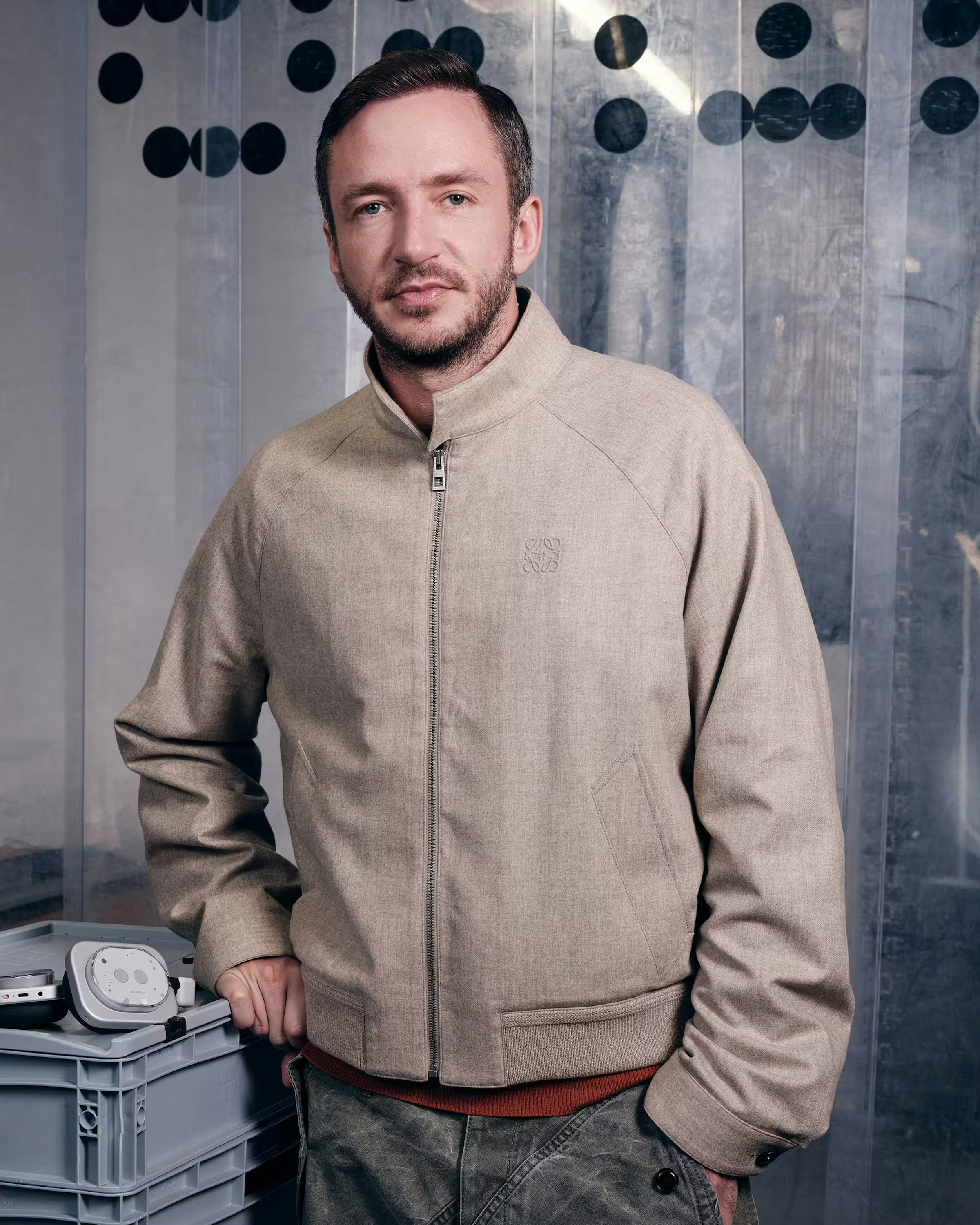
To get real close to tech, we interviewed Charlie Smith, the CBO of Nothing. The brand that has spent the last five years as the new kid in the Big Tech schoolyard released its first headphones in 2021, its first phone in 2022, and got Charli XCX on speed dial as global ambassador this year. Smith spent years making luxury fashion less boring, now he’s trying to do the same for tech. We talked about how to bring excitement back to tech, how to “do culture,” and why AI has a branding problem. Before he joined the company, Charlie spent years making Loewe what it is today (i.e. big; it quadrupled its revenue during his tenure) as Chief Marketing and Communications Officer.
Nothing in Numbers:
-
Nothing was founded in 2020
-
Passed $2B in lifetime sales in May 2026
-
Average customer is 27
-
Social engagement rate is 5%
Q&A
ANNA BURZLAFF: AFTER SEVEN YEARS WORKING AT LOEWE, WHAT CONVINCED YOU TO TAKE THE JOB AT NOTHING?
Charlie Smith: I had an amazing run at Loewe. I always thought it was going to be successful, but it exceeded my wildest dreams. And I wasn’t very excited by the idea of going and following the same playbook at another fashion brand. When I joined Loewe in 2018, I remember saying that I thought fashion advertising was really boring and that we wanted to do something different that would stand out. And when I met with Carl [Pei], he had the same ambition for Nothing. I thought being able to build a brand from scratch and to do so in quite a rebellious, anti-establishment way would be really fun. And that bringing in a whole load of things I’d learned from fashion around how to connect to culture — and doing it for a tech brand — would surprise people.

YOU’VE BEEN SEMI-SCATHING ABOUT THE STATE OF CONSUMER TECHNOLOGY. YOU’VE SAID THAT YOU WANTED NOTHING TO BE THE MOST FASHIONABLE TECH BRAND, AND IT’S A PRETTY LOW BAR. YOU’VE ALSO SPOKEN ABOUT HOW BORING TECH AND HARDWARE HAVE BECOME. WHY IS IT SO BORING RIGHT NOW? AND WHAT NEEDS TO CHANGE?
The unparalleled success of Apple has had a real impact on consumer tech because a lot of brands have ended up following the Apple aesthetic, which is very minimal. It means lots of aluminum, glass, and polished screens. I grew up in an era where I had a Casio G-Shock watch when it first came out, and I remember being super excited about that. It was really fun and vibrant. I had a hi-fi that, when I turned it on in the morning, it would say “good morning.” In tech stores there would be stacks of hi-fis with flashing lights and scrolling text, and it felt like Blade Runner. Some of that fun and wonder and humanity has been lost along the way. With Nothing, our design aesthetic is rooted in retrofuturism. Some of it is quite maximalist. On my phone here, we’ve introduced a retro dot matrix screen on the back, which has scrolling text on it, and you can create different symbols for the different people who contact you. I think that sense of fun and playfulness is one of the things that people have responded really well to.
NICE. I REMEMBER THE DAYS OF THE BANANA PHONE.
Exactly. My first-ever client was Nokia back when Nokia had 40% market share and Snake was a big phenomenon. And we were all changing our phone cases. I had one for my Nokia that was a denim phone case that clipped onto both sides. And we all had these silly personalized ringtones. So there was much more of a sense of you and your personality and the way you wanted to represent yourself in the world coming through in your personal tech.
WHAT ABOUT FROM A MARKETING PERSPECTIVE? WOULD YOU ALSO REGARD THE STUFF THAT APPLE AND SAMSUNG AND SOME OF THE BIGGER PLAYERS ARE PUTTING OUT AS UNFASHIONABLE AND BORING?
One of our big inspirations is early Apple. I loved that when the iMac came out, they had this campaign that said, “Sorry, no beige.” Before that, all computers had been beige. 1984 was iconic as well, and so was the Think Different campaign.
Recently, a lot of consumer tech advertising has become very product-focused. There hasn’t been much focus on connecting to culture or the emotional benefit of the products. At Nothing, that’s something that we’re focusing on: how to connect to culture, how to connect to music through audio, how to connect to fashion, how to connect to design. Because ultimately, consumer tech is an extension of your person. It’s how you connect to your digital self. So it makes sense that it should also be a connection to culture for you.
TECH AT THE MOMENT HAS A PERCEPTION PROBLEM. I’M THINKING ABOUT AI AND DATA CENTERS, OR PEOPLE SAYING THEY DON’T WANT TO DATE TECH BROS. AS A TECH BRAND, DO YOU HAVE TO BE PARTICULARLY SENSITIVE AROUND PLAYING IN CULTURE?
First, we’re in the fortunate position of being an underdog with a quiet punk mindset, quite anti-establishment in a way. So we see ourselves as the antidote to big tech. And one of the key pillars of the brand is transparency. We have transparency in our design, and we also pride ourselves on being transparent as a company.
We’ve got a really young audience. Our average customer is 27. The next generations, Gen Z and Gen Alpha, have repeatedly been told by tech founders that AI is going to take their jobs. So it’s totally understandable that there’s a lot of resentment toward AI because of the way it has been marketed. But I see AI as being like electricity or the internet. If you go back to the Industrial Revolution, there were headlines saying “machines are going to take our jobs.” And while they did take some jobs, new jobs were created and, ultimately, human productivity increased as a result. I think that’s what’s going to happen with AI in the long run: It’s going to increase creativity and productivity.
So, when we think about how we’re implementing AI as a company, it’s as a productivity tool to aid human creativity, not to replace it. That’s a really important point and distinction. And we’re going to do so in a very transparent way. You have the choice whether you want to use it or not. I share the same concerns that our customers do. I think everyone does. So it’s our responsibility to try and offer a more optimistic vision of the future.
Cultural Pioneer POV
- 70% of our audience said they’re bored by most mainstream tech brands — what they’re saying and making doesn’t excite them like it used to (jumps to 76% for Gen Y)
- 73% of our Gen Z audience said nostalgic tech is cooler than the latest gadgets
- 65% say everything in tech now looks like it was designed by the same company (jumps to 72% for Gen Y)
THERE IS AN AMBITION TO CONNECT NOTHING TO THE FASHION WORLD. YOU PARTNERED WITH VIRAL FASHION COMMENTATOR LYAS ON THE DIOR LA WATCH PARTY. ARE THERE OTHER THINGS ON YOUR AGENDA IN TERMS OF LINKING NOTHING AND FASHION?
Yes, definitely. My ambition is to work with young designers to co-create Nothing products, but also exclusive pieces of theirs, so we have these special drops. Similarly, we want to host competitions for young art directors and photographers so that we’re really creating a community of creatives around the brand.
WHO IS YOUR DREAM COLLABORATOR?
I have no comment on that one. We’ve got plenty of ideas.

Found in the Snobverse
“What gets me very excited about this movement is that it represents a group of people who just want fun tech back. People who are fed up with the internet that has been built for them and are quietly, creatively, sometimes chaotically, building their own way out.” — Amni Raihan, Writer of the Field Test
Read up: The kids are building tech. Specifically, the Gen Z girls. Cyberdecks* have been around for a while, but 2026 apparently has DIY tech - paired with customisable, fun aesthetics - written in its DNA. The people want their fun back.
A cyberdeck is a custom-built mini-computer, mostly designed for one particular purpose and usually with a cyberpunk aesthetic. Popular examples: Rebuilds of the Clueless wardrobe computer, or a duck that records voice notes.
© Nothing