Q&A with the NFL on How Sports Took Over Culture
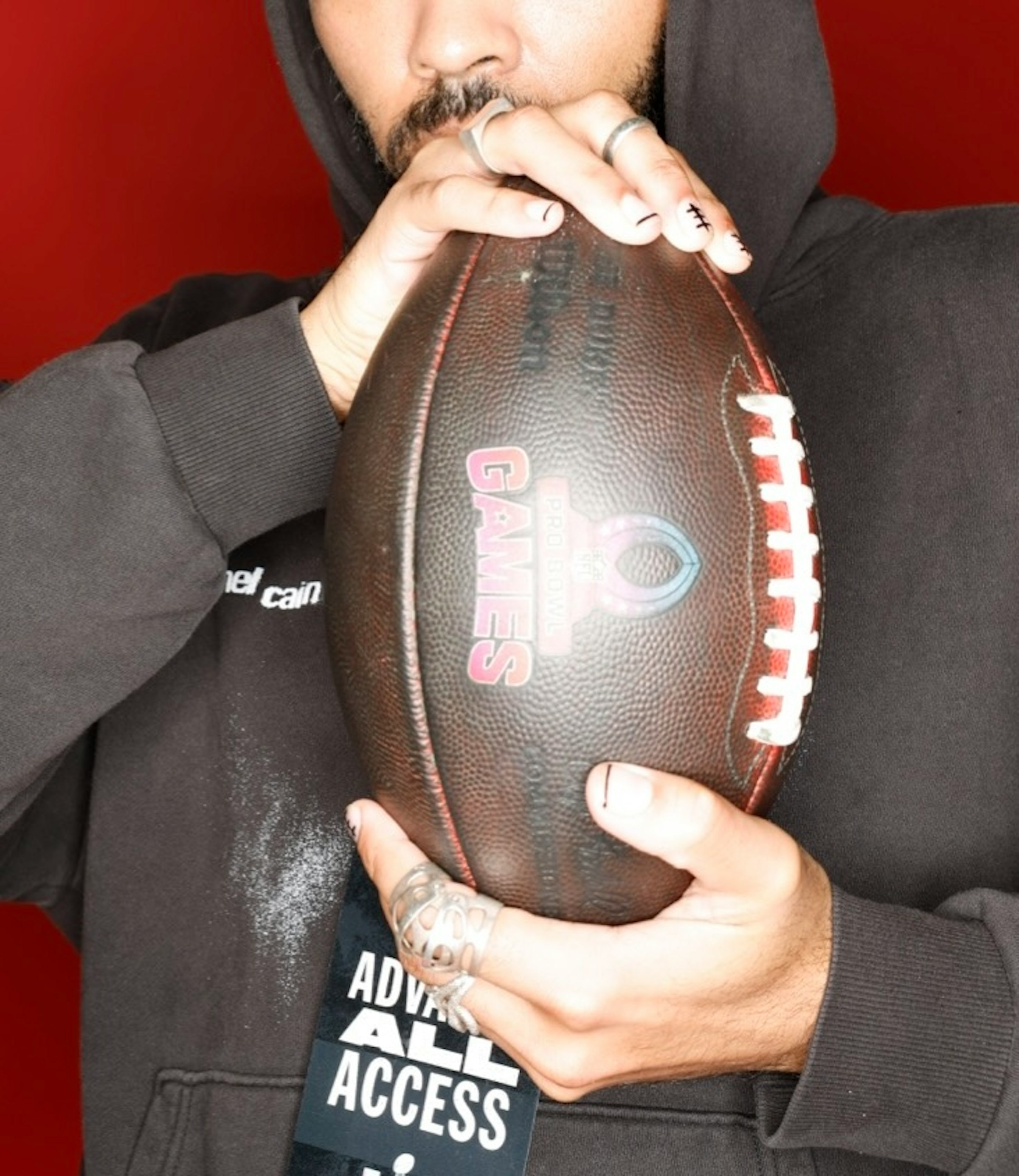
For our "Guide to Good Sports Marketing", we interviewed the NFL’s first-ever Fashion Editor Kyle Smith, and Senior Vice President of all things social, creator and content marketing Ian Trombetta.
Kyle and Ian spoke with our advisor and strategy champion (Senior Strategy Director) Sofia Bodger about all things NFL, sports and culture.
This interview has been edited for length and clarity.


SOFIA BODGER: DO YOU THINK PLAYERS AND ATHLETES HAVE MORE CREATIVE CONTROL NOW? AND ARE THEY OPERATING WITHIN A MORE SOPHISTICATED BRAND SYSTEM?
IAN: There's no doubt. Especially within the NFL, Players are becoming more and more comfortable with expressing themselves in all kinds of ways. Fashion being one of them.
In a sense, we are democratizing the ways to become a celebrity for the players. It’s not only the top quarterbacks anymore, but any number of players. Using culture, using fashion as this hook to show who they are off the field and opening up the exposure for them, is really central to what we’ve been building the past years.
KYLE: Athletes are cultural editors. There's always buzz around Fashion Week, you see things online, you see things go viral and then you don't hear about it again. But when the tunnel comes around and you see it there, that's when I know what's cutting through the noise. Our athletes bring so much authenticity to everything they do, so when I see a trend form in the tunnel that's how I know what's impactful in culture.
ARE BRANDS GENUINELY BUILDING WITH THE ATHLETES AND WITH THE NFL, OR ARE SOME OF THEM STILL RETROFITTING CAMPAIGNS ONTO ATHLETES ONCE THEY'VE BECOME CULTURALLY RELEVANT?
IAN: I've seen a big shift over the last two years. Brands now understand that they need to really take note of the players' interests and do a much better job at incorporating more of their personalities and the things that they care about into how they're expressing their brand together with those players.
In addition, players in college understand their brand value much younger. They're coming into the NFL very sophisticated when it comes to what they represent from a brand perspective, what they want to launch, which brands they want to affiliate themselves with. There's just a higher level of conversation happening much earlier in the process.
KYLE: What I love about Gen Z and Gen Alpha is they know when something feels inauthentic. Brands know that to just start riding someone's coattails because they made it to the Super Bowl is not it. It’s better to catch a player right as they're drafted. When they do make it to the Super Bowl, that brand can say “We've been there since the beginning.”
IAN: The brands and the players themselves understand the opportunities, even with their extended families. Especially the wives of NFL players, who are launching their own podcasts or launching their own lines.
There's a high level of fascination within our fan base. But also new fans – who may not have been watching the games on Sundays – come in and are fascinated by all aspects of the lifestyle. It brings a different view to the game and everything that surrounds the game, but also a slightly different audience, in many cases female and younger.
WHAT DO YOU THINK A GOOD COLLABORATION LOOKS LIKE BETWEEN BRANDS AND ATHLETES?
KYLE: Our players are so much more than who they are on the field; helmet-off content is really important to us. They have causes that they support and family backgrounds that are so interesting and culturally rich. When a brand can tap into those elements for a collaboration, it makes it much more powerful. Some players are truly interested in fashion, so we ask them about their opinion, ask them for design help.
Same with our league collaborations. We don't just want a logo slap. We want something that feels true to that brand and helps our fans express their fandom through that. Our Origins project is an example. When we go to each Super Bowl host city, we work with four or five artists from that city to create original Super Bowl merch that's very organic and authentic to them. So that when we show up in these cities, it's the pieces of that city.
IAN: There are great ways for us to help build community with the right collaborations. You wouldn't naturally think about the NFL and art being connected, but we have thousands of people that send us art about their favorite players or their favorite moment. We use our platform as a league to showcase these young artists at Art Basel with Artist Replay, or bring in players who have a passion for art, like Malcolm Jenkins, Martellus Bennett, or Brandon Marshall.

ARE THERE ANY OTHER INDUSTRIES THAT YOU'RE COLLABORATING WITH AT THE MOMENT?
IAN: We’ve been collaborating with the music industry for quite some time. Apple Music and the halftime show are the most visible. Bad Bunny last year was such a huge cultural takeover — four billion views of the halftime show in the first 24 hours which massively eclipsed every other thing that was in the market for the entire year.
KYLE: I was just with a fashion editor in Japan, and she said she never cared about the Super Bowl until Bad Bunny was announced as the halftime show performer. Our engagement with art, with fashion, with music is a great international touch point. It's a language that many people speak.
IAN: It's so cool to see that there's a place for everybody when it comes to fashion, even offensive linemen who weigh 300+ pounds, who typically wouldn't have seen themselves as fashion icons, can now take part in the world of fashion. And for fans, especially new ones, fashion opens up what an NFL player represents – it gives a more complete view of who they are as people and some of the interests they have off the field.

FASHION CAN STILL FEEL VERY ELITIST. IS SPORT HELPING TO BREAK DOWN THOSE BARRIERS AND GIVING MORE ACCESS INTO FASHION, BUT ALSO INTO SPORT?
KYLE: In fashion you have to intern for years at the expense of your finances and your mental health. Many of the NFL's players' stylists are their best friends from high school. I don't know if they would have been able to break into fashion if it wasn't for the players bringing them on. There are so many ways that our players uplift their communities, bringing them into fashion is one way.
So many kids put together mood boards of what they think players should be wearing and DM them to me, and I connect them to the player. I think it's a very fun and exciting way to break into fashion, especially because it's growing so quickly. So many opportunities are popping up left and right, there are ways to break into fashion through sport that are very exciting.
IAN: A fun thing about everything that's happening today from a cultural standpoint: It's not just isolated in the big cultural centers, like New York, LA or Paris.
The players are coming out of all sorts of places and that informs the things they like and who they are. It also brings a different view of what fashion actually is and what it can mean. There’s this convergence of really high-end, sophisticated fashion with what's coming out of all these different communities and cities that you wouldn't typically associate with the runway.
WHAT MADE YOU CONSIDER HAVING A FASHION EDITOR ROLE? WAS THERE A MOMENT WHEN YOU JUST KNEW THAT FASHION WAS VERY CRITICAL TO THE NFL STRATEGY?
IAN: Back in 2018 we looked at the Gen Z data, and we looked at some of the crossover interests that young football fans had. And fashion, gaming, music all over-indexed with our young fans. So we've been putting in this effort around fashion for years.
WHY ARE PEOPLE GRAVITATING TO SPORTS RIGHT NOW EVEN THOUGH THEY'RE NOT NECESSARILY WATCHING THE GAME?
KYLE: I think about this every day; it's my Roman Empire as someone who did not grow up watching sports or playing sports but who’s very interested in sports now. It comes down to authenticity. You can't fake it. It's a meritocracy. You can't fake winning the Super Bowl, and our athletes only do things they want to do, whether it’s the clothes they wear, the brands they partner with, the things they do during the off season. It’s one of the last places, I think, where things are so authentic.
IAN: Today, there's a real hunger for connectivity and community. Particularly coming out of the pandemic, people really had a desire to get back to being with each other and experiencing the same thing at the same time where everyone is locked in and focused. Once upon a time, 30 million people were watching Friends together on a Thursday night, but that whole landscape has changed so massively.
There are so many things happening in the world today; sports is that one constant. We're going to be there no matter what. It offers a sense of community to fans. Every year it's something they can rally around with fantasy football, going to the bars or whatever it is that they're doing together with their communities.
© NFL, Nick Remsen