Rhythm & Drop - Our New Cadence For Cultural Marketing
Today, media types that were once distinct — news focused on reporting, entertainment on storytelling and escape, and commerce on transactions — compete for the same space in a single feed and for a moment of the scroller’s attention.
In this landscape, “cutting through the noise” seems impossible. We’re not competing with our category rivals, but with everything, all the time. The key is to stand out, meaningfully.
Enter Rhythm & Drop — our new cadence for cultural marketing.


Brands confuse content with entertainment. At some point in the last 12 months, every brand declared itself an entertainer. But how many of them are actually delighting us? Is there a single brand’s social media channel or content output that any consumer would want to binge watch? (Yes, we’re looking at you, Loewe and Marc Jacobs.)
Part of the problem is that most brands still plan for campaign output, not cultural impact. Content calendars, repeatable formats, and algorithmic visibility are safe, predictable, and ultimately forgettable. Seventy-eight percent of Gen Z agree that “all the content I consume looks the same.” Sameness kills desire. Surprise is the strategy. You need to be experts at what not just your competitors are doing, but also what else is filling your audience’s feed — and then rip it up. There is an assumption that more content equals more entertainment, but differentiation is the only way you can stand out. That means taking risks.
The best brands move differently. They operate in rhythm and drops. Rhythm is your pulse. It’s consistent, low-stakes content that builds familiarity and trust. Drops are moments that break the pattern. They’re unexpected, high-stakes plays that demand attention, build fandom, and actually keep us watching.
Despite what the industry keeps telling itself, content isn’t entertainment (and entertainment isn’t content). They work in different ways. Brands need both. Rhythm earns your permission. Drops earn your relevance. You can’t break the mold if you haven’t made one first. But you can’t rely on content alone, or you’ll just become background noise.

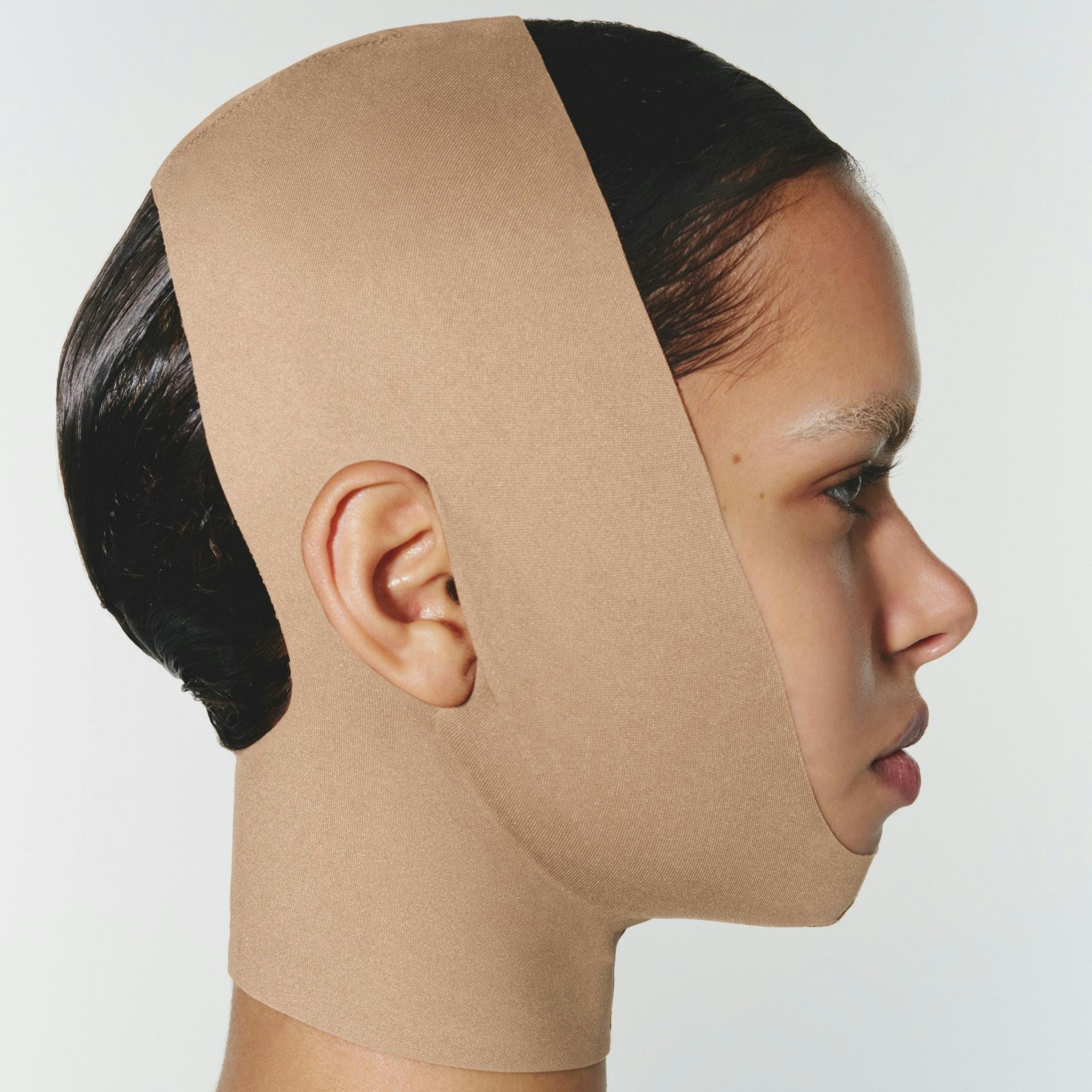
SKIMS feeds its audience with ongoing aspirational content of talent and models in its latest collections, seasonal drops, and behind-the-scenes moments. But the brand ignites culture with disruptive moments, such as the recently launched Sculpt Face Wrap, a product so entertaining that it disrupted feeds entirely. From the Nipple Push-up Bra to the “fairy butt mother” leggings, Kim Kardashian is an expert in rhythm and drop.
IMO the future of cultural marketing is learning how to craft both. Build your rhythm and time your drops for maximum impact. Program in beats, and anchor moments that audiences anticipate. Name them. Tease them. Build habits. Then rip it up. Content should feel safe. But your entertainment must take risks. Two gears, one engine: content for continuity, and entertainment for spikes.
© Duolingo, SKIMS